
Why Live Sport Is Rewriting the Social Media Content Calendar
Most social media calendars depend on fixed publishing times. Live sport does not. A lineup can change minutes before kick-off, a goal can disappear after a review and a match that looks finished can shift again in stoppage time.
Content teams still need a plan, but it has to allow for late changes. That means preparing reusable visuals, agreeing on who can approve posts and keeping parts of the schedule open.
The Calendar Starts Before Kick-Off
Matchday work begins long before the players appear. Lineup graphics, player images and score templates are usually prepared in advance, along with different versions of the full-time post. The design may be ready, but names, numbers and captions often stay editable until official information arrives.
Betting-related posts need another check. Content linked to a sports bet should identify the fixture clearly and avoid presenting a possible outcome as though it has already happened. Odds can change quickly, so a figure that was correct when a post was drafted may be out of date by the time it reaches every follower. Adding a timestamp reduces some of that uncertainty.
Ipsos reported in April 2026 that 68% of Americans considered themselves fans of at least one sport. A major fixture can produce hours of social activity before the result is known, beginning with team news and warm-up clips before moving into live reactions. Preparation only works when the assets are easy to change. A victory graphic may need to become a draw within seconds, while a scheduled player post may be unusable after a late team change. Flexible templates allow the facts to be updated without starting the design again.
Live Publishing Needs Fast Checks
The pressure rises once the match starts. A goal may be ruled out, a yellow card can become a red and the wrong player may be named in an early report. By the time a correction is ready, the original post may already have been copied and screenshotted.
A clear division of work helps. One person may follow the official feed while another edits the graphic and someone else reads the caption before it goes live. Smaller teams often combine those roles, but the post should not move faster than the verified information. Shared templates and a central publishing system make real-time content updates easier when an overturned goal or late result changes the planned coverage. They save time on repetitive edits, although they cannot catch a misspelled name or incorrect score without a final human check.
Teams should also decide in advance what happens when something goes wrong. Quietly deleting an inaccurate post can leave screenshots circulating with no explanation. A visible correction is often clearer, especially when the mistake involved the score, player, or final result.
One Match Needs Several Formats
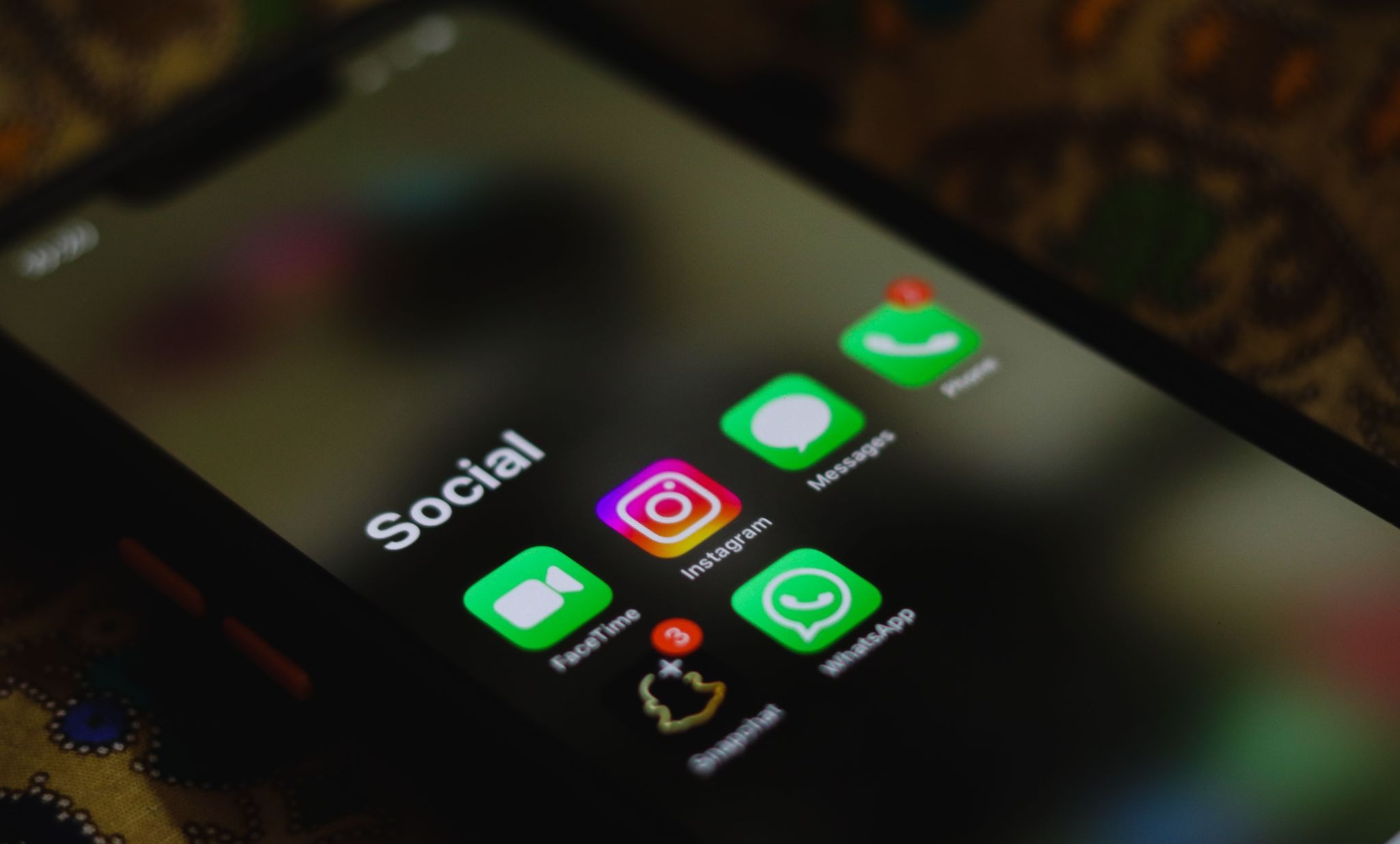
A single goal might become a short text update, a vertical clip, a square graphic and a longer explanation after the match. The core information stays consistent, but each platform places different demands on the post. Pew Research Center found in 2025 that 84% of US adults used YouTube, 71% used Facebook and 50% used Instagram. Those figures cover general platform use rather than sports alone, but they show why one version is unlikely to work everywhere.
A vertical clip has only a brief moment to hold attention. Facebook gives teams more space to explain what happened. An Instagram graphic must remain readable on a small screen, while YouTube titles and thumbnails need to make sense before anyone opens the video. Copying the same dimensions and caption across all three can leave important details hidden or poorly placed.
Publishing times may vary as well. One channel might receive the immediate update, while another gets a replay or fuller explanation once the event is confirmed. Releasing every version at once can also overwhelm followers who use more than one platform.
Full-Time Opens a Second Content Window
The final whistle creates another round of material. Reaction clips, player statistics, supporter comments and short analysis can keep the discussion moving after the score graphic has done its job. A strong moment may be edited differently for several channels instead of being uploaded repeatedly in the same form.
Post-match coverage is more useful when it answers something. A caption can explain why a substitution mattered, add context to a performance, or address a question that kept appearing in the comments. Audience reactions may point towards useful follow-ups, although claims from replies still need checking. Teams can also learn from the way each asset performed. A goal graphic may have been published quickly but still failed because the text was too small. Completion rates, saves, comments and correction frequency can shape the next match day plan.
By stoppage time, the original content calendar may bear little resemblance to what is happening on the field. Prepared graphics and clear approval roles give the team something solid to work from. The remaining space is there for the goals, reversals and late incidents that could not have been scheduled.